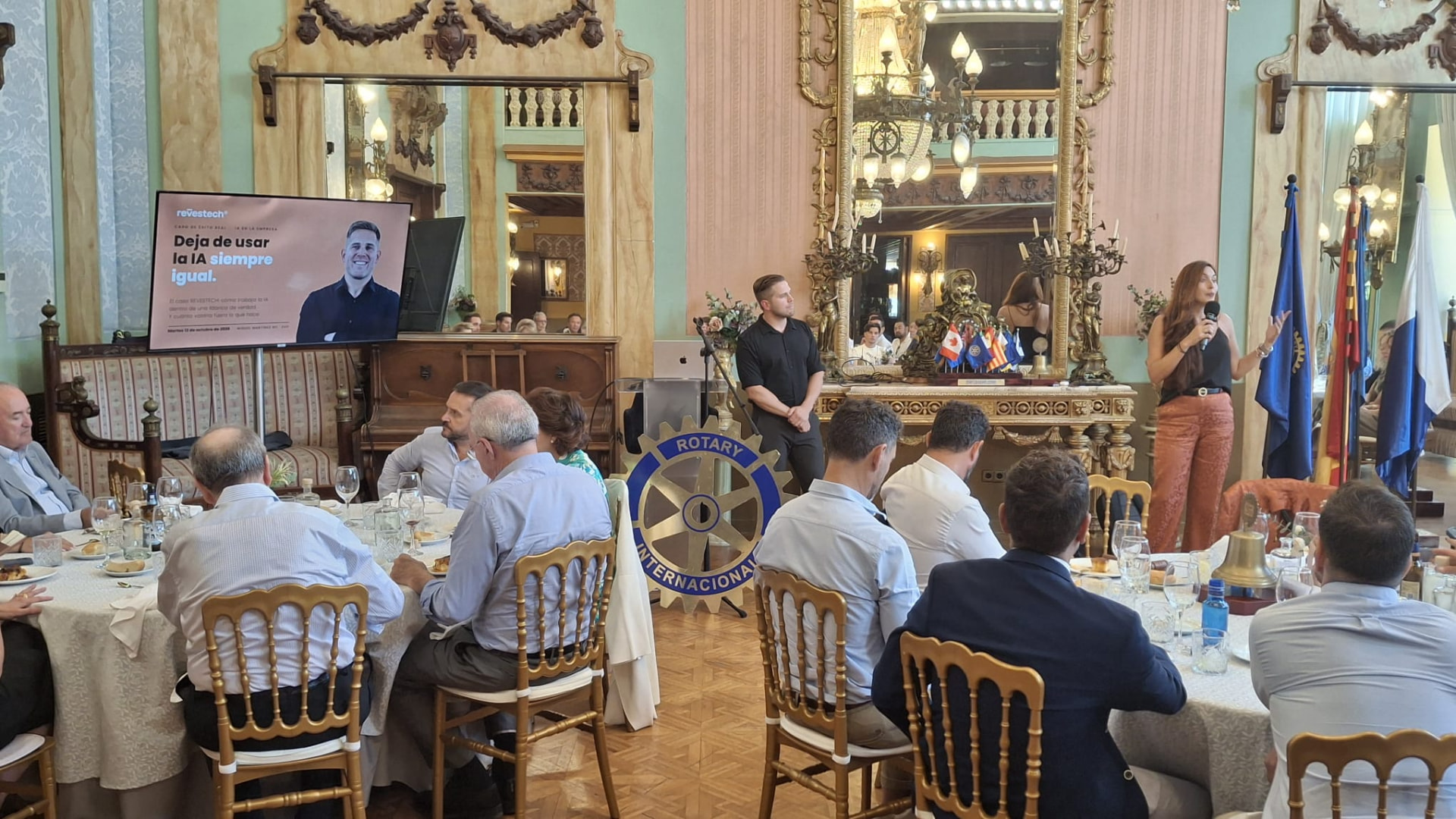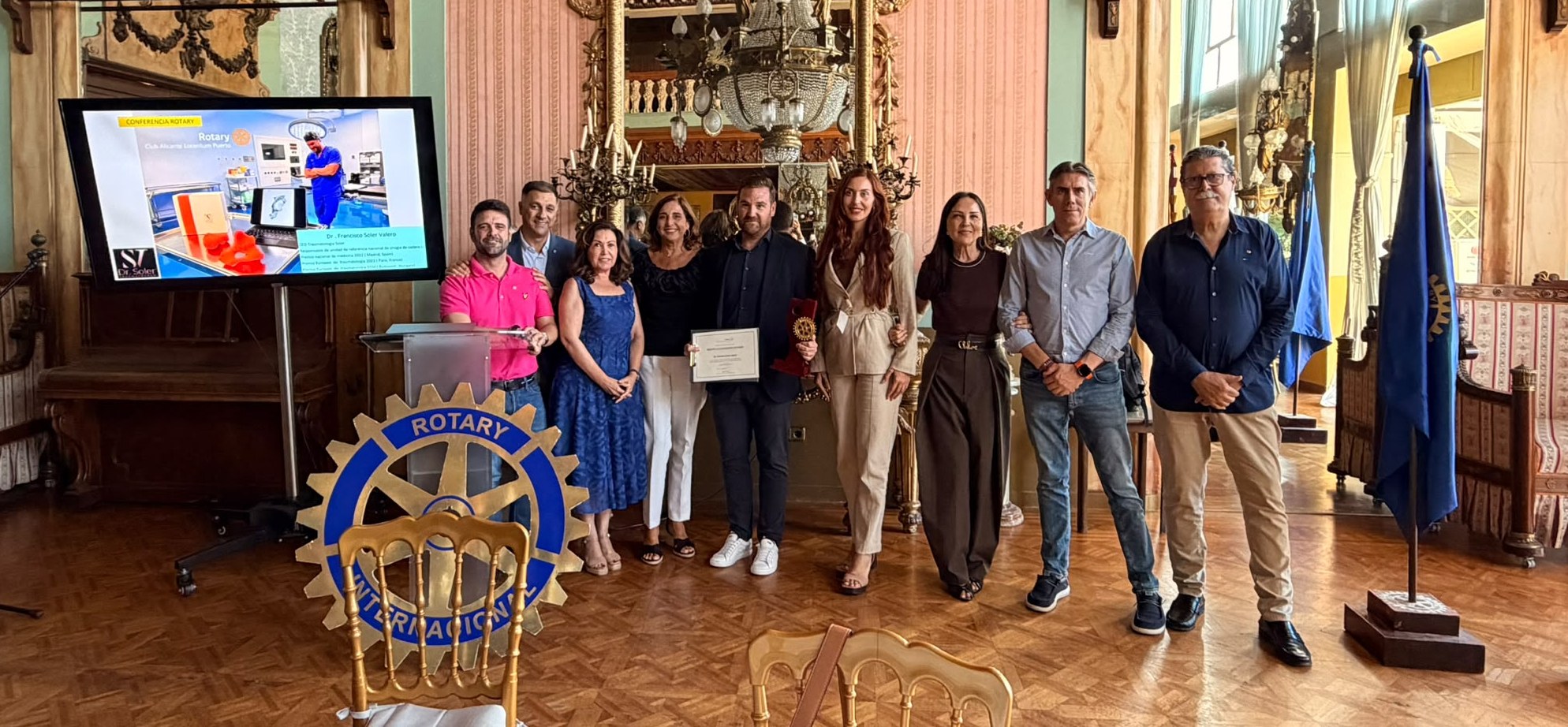
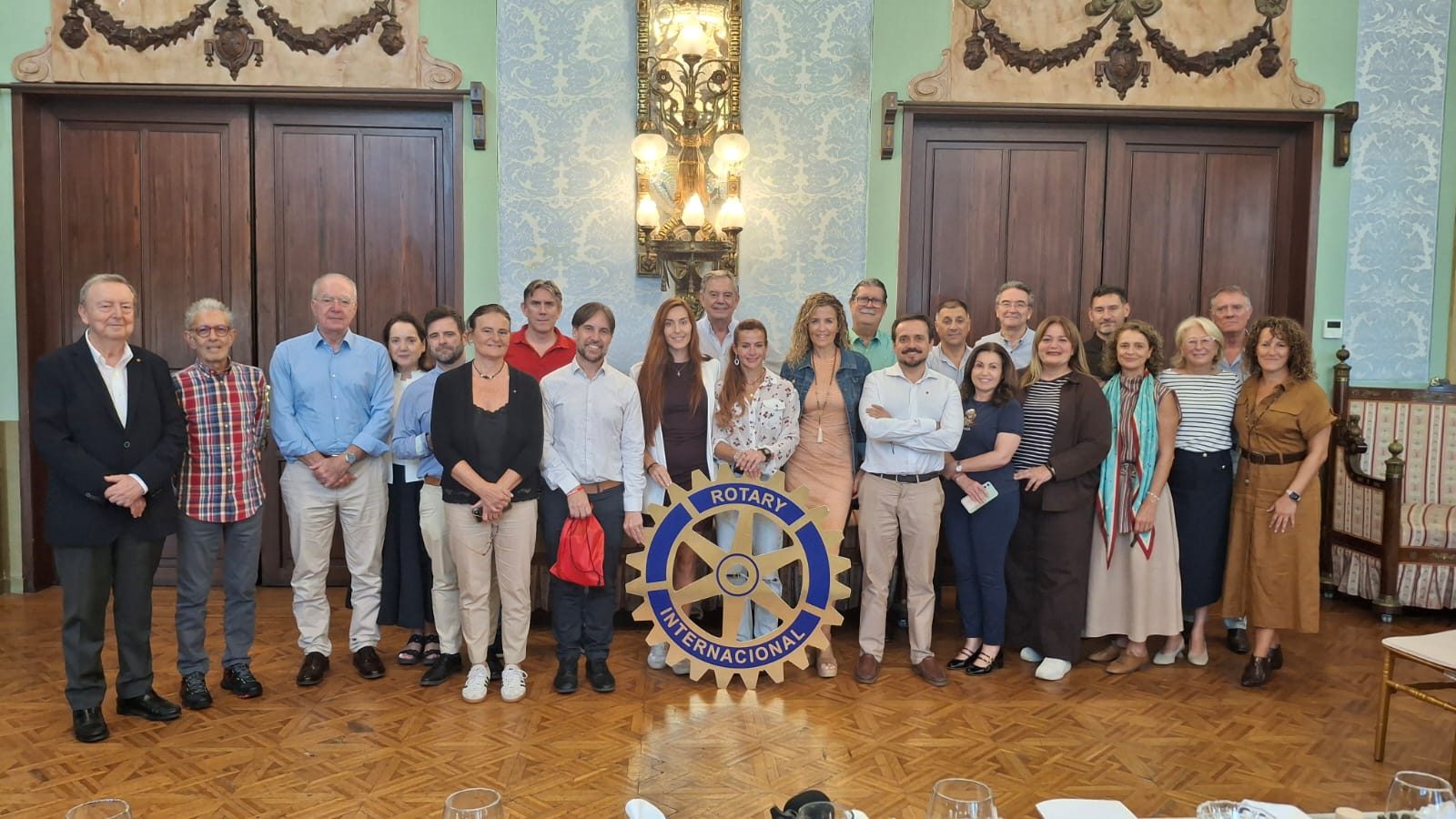
Some lunches leave you with the feeling of having been exactly where you should be. Tuesday 27 October was one of those.
One long table
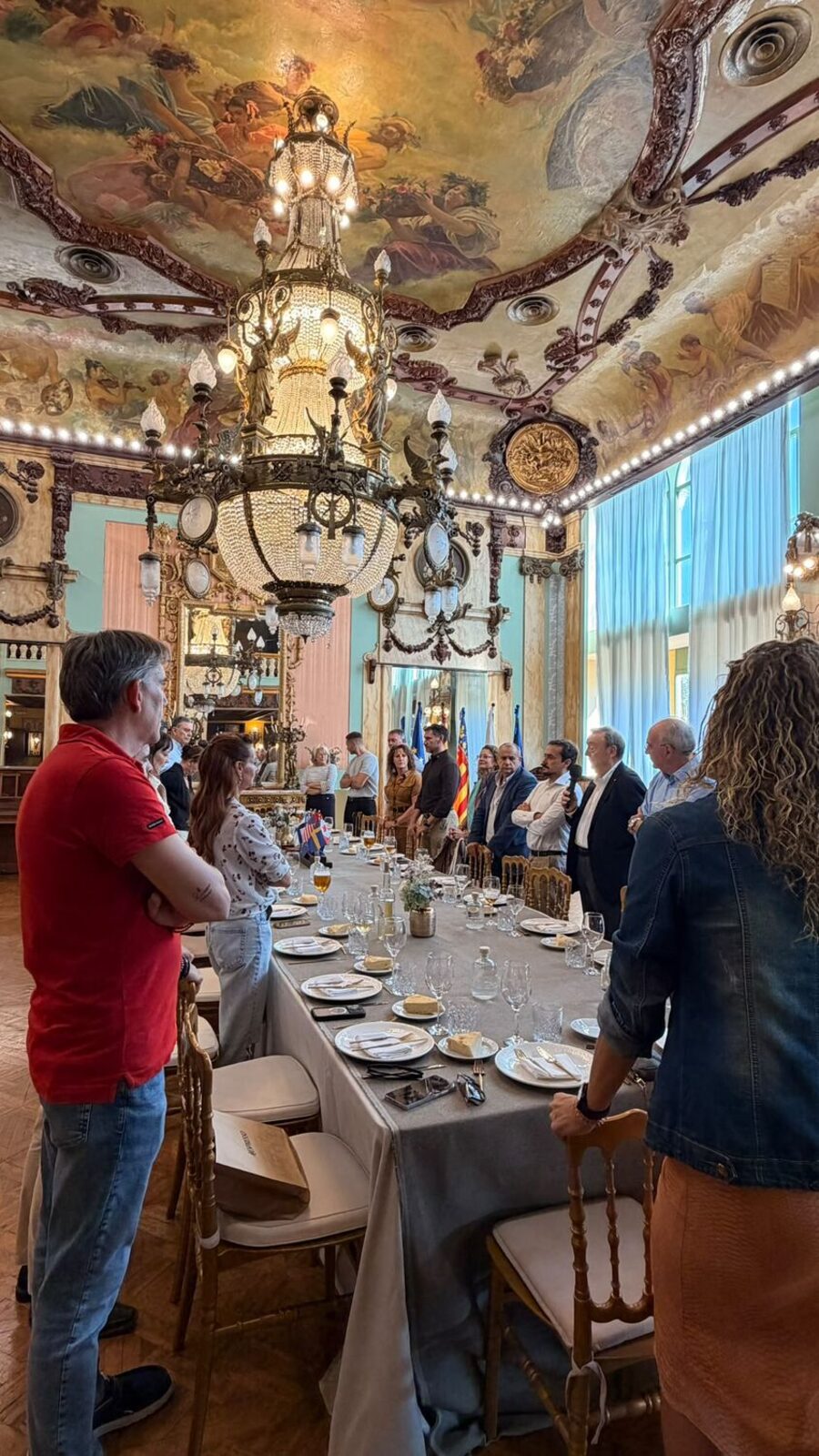
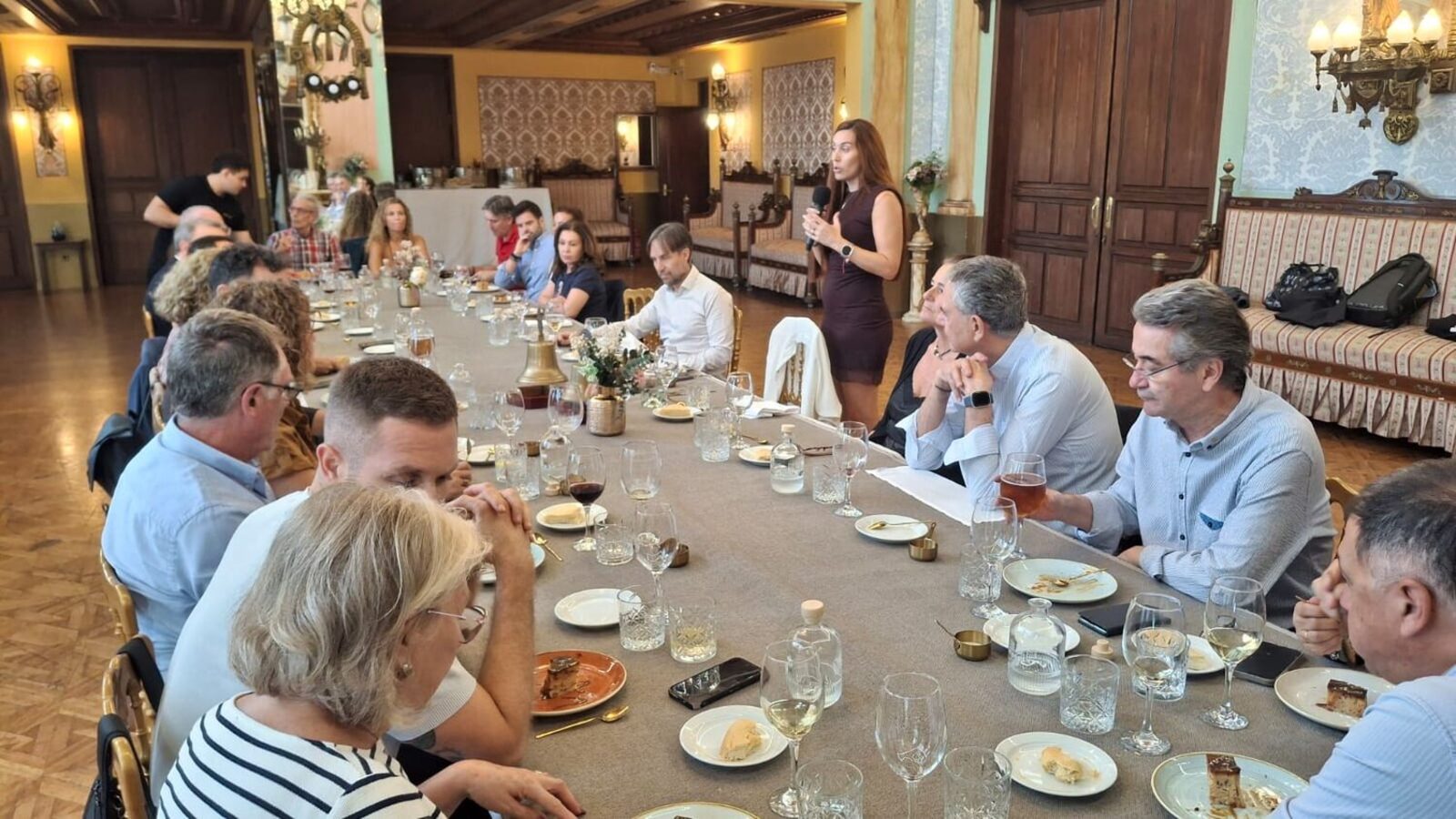
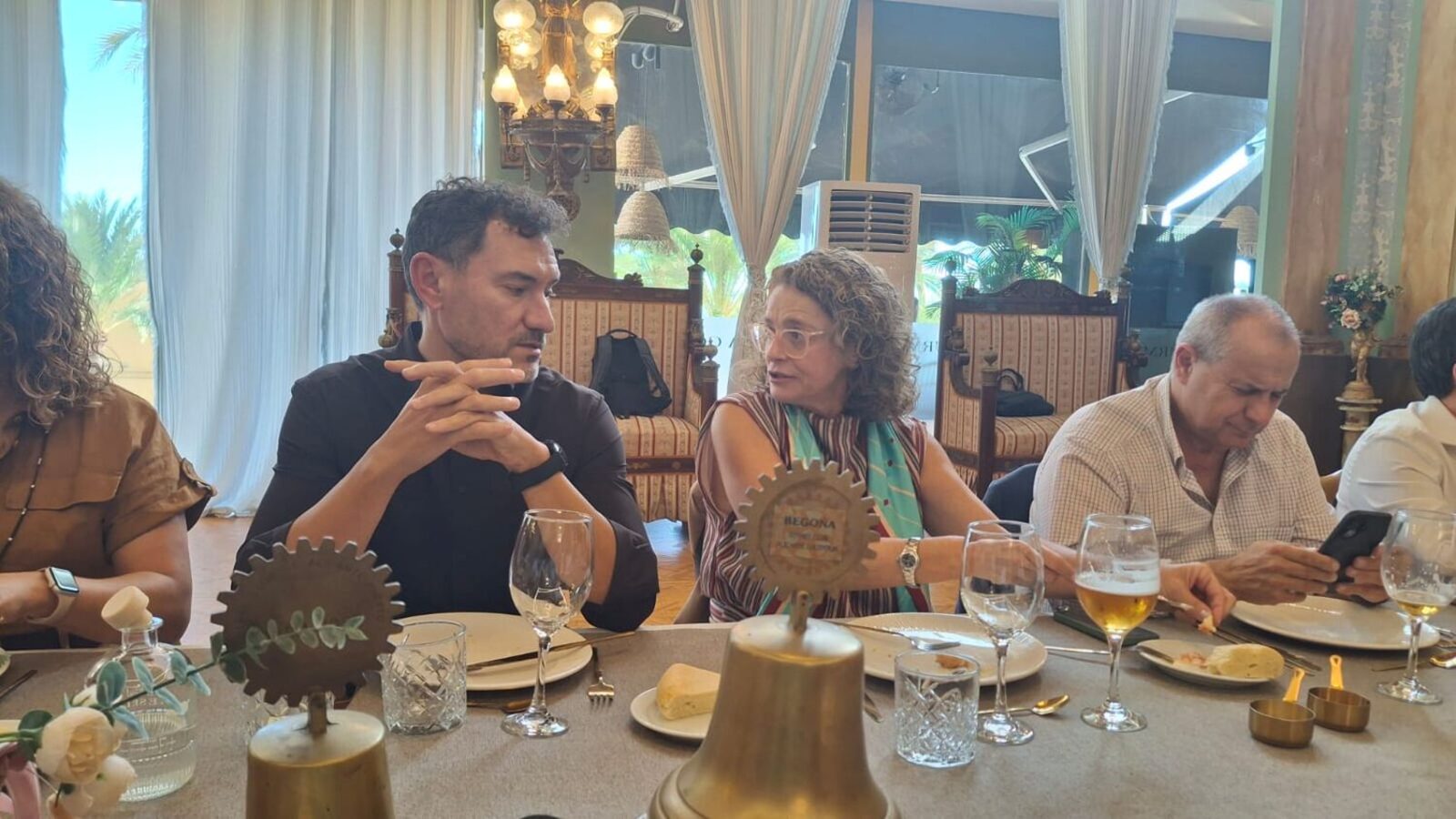
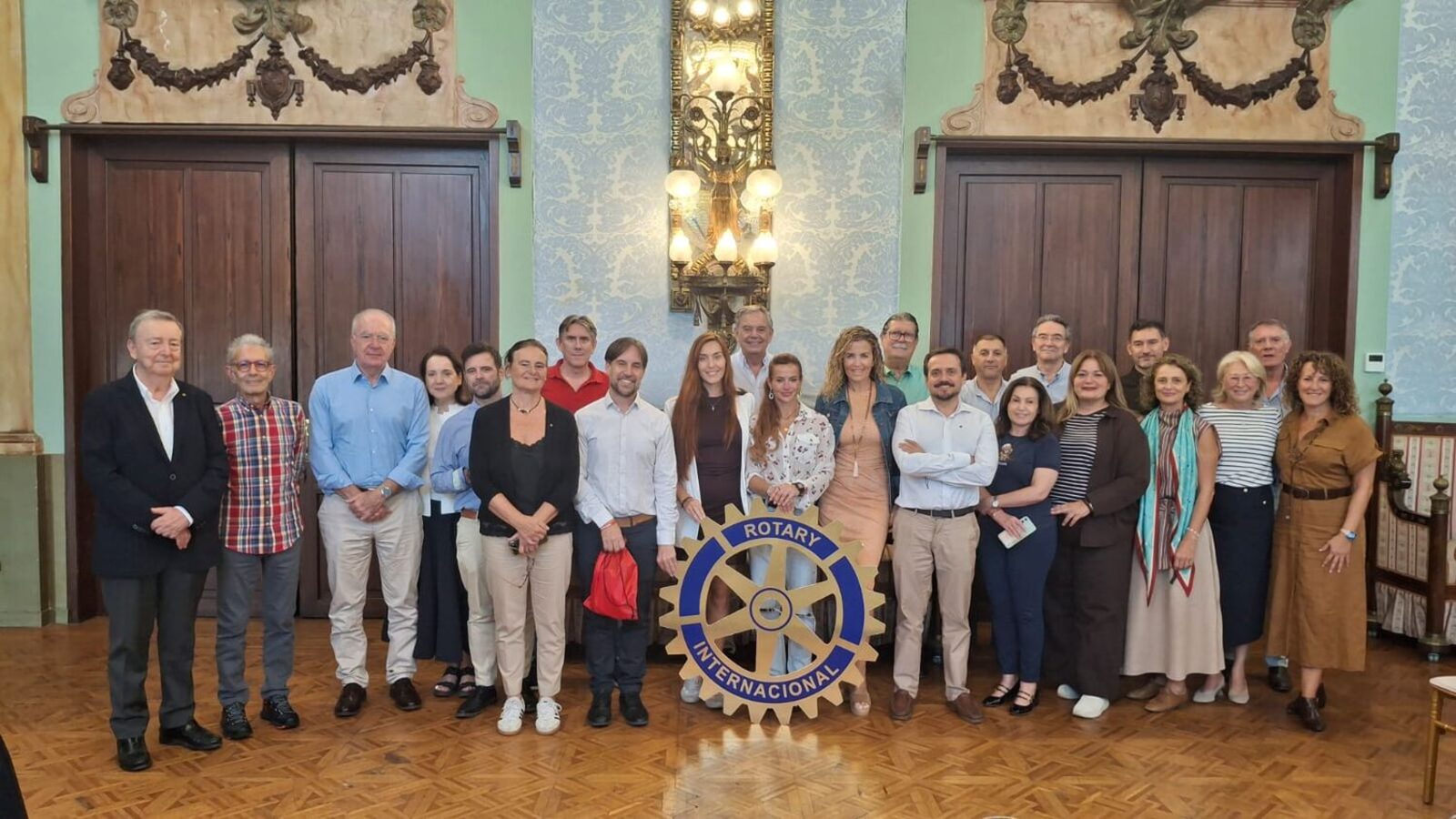
Twenty-six of us sat around a single long table, in one of the halls of the Real Liceo Casino de Alicante. Rafael Jorro opened the meeting with the Rotary invocation. Several members came with family and friends, and we also had a visit that is not a weekly occurrence: Conchi Martínez, assistant governor of the district, who had met with the board before lunch.
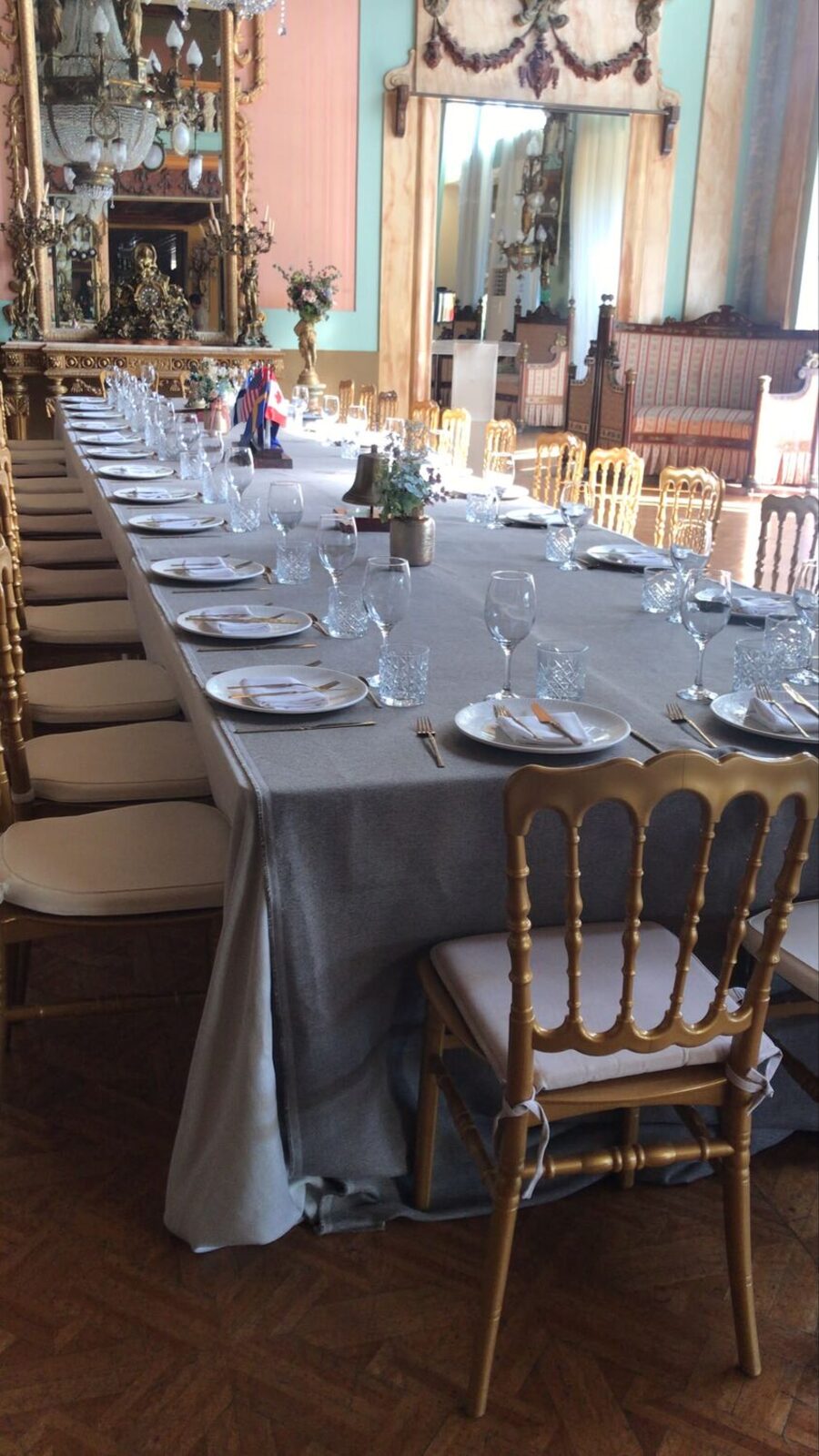
Those first minutes, on your feet, people looking for their seat and greeting each other, are almost always the best part of the meeting. This time there was an extra edge to it: everyone knew who was coming after dessert.
The man who went out to find the money
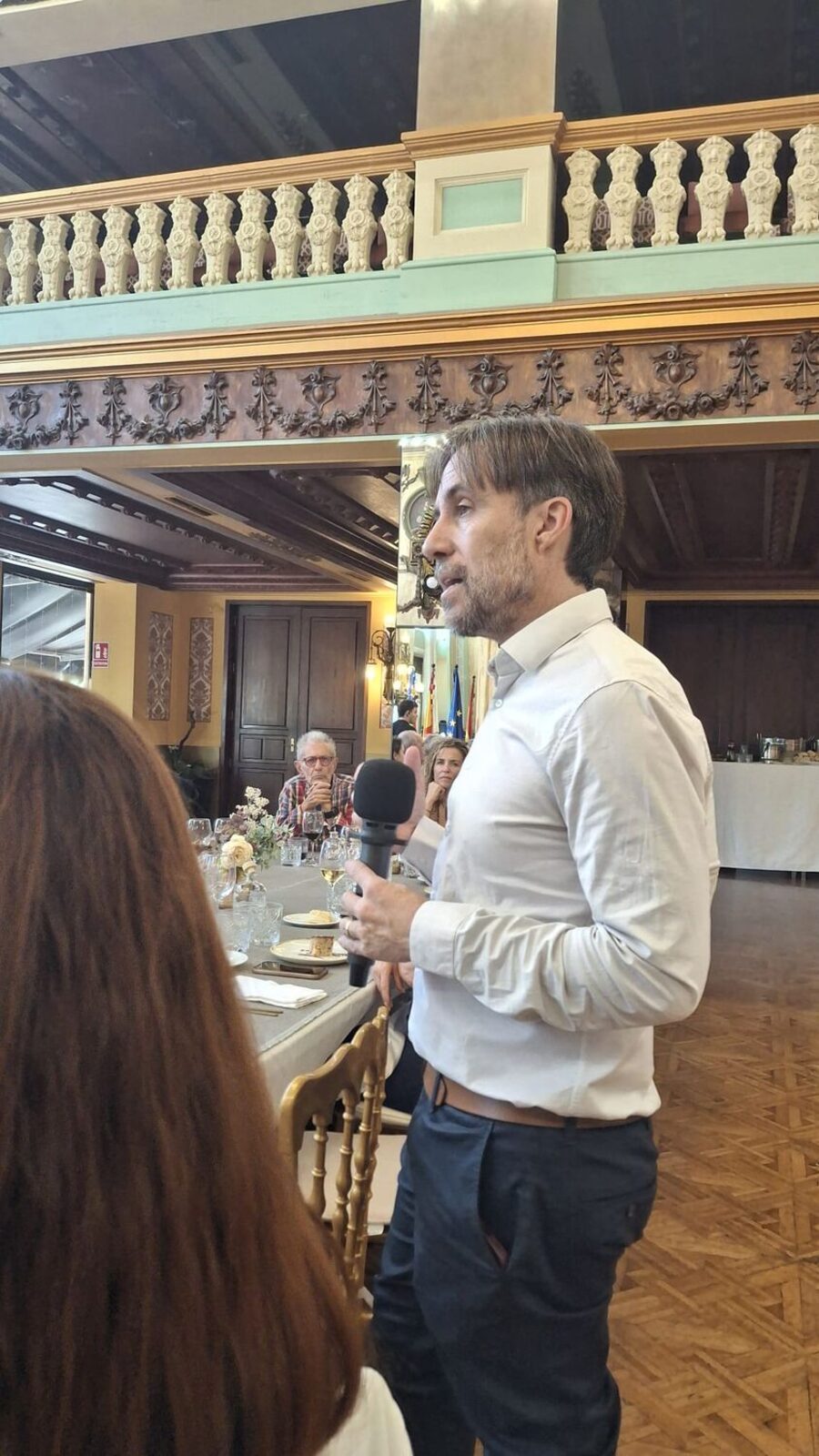
Once the coffees were cleared, our president, Andrea Corbalán, introduced the speaker.
Enrique de Madaria is deputy scientific director of ISABIAL, the Institute for Health and Biomedical Research of Alicante, and coordinates the Biliopancreatic Unit at the Hospital General Universitario Doctor Balmis. He is an associate professor at the Miguel Hernández University, chairs the Spanish Foundation of Gastroenterology and founded the Spanish Association of Pancreatology. In 2024 he received the Research Award of United European Gastroenterology.
But there is something about him that is more impressive still. He founded the Carrera de las Ciudades contra el Cáncer de Páncreas, a race that has raised more than a million euros for research grants. In other words, he did not stop at doing research: he went out to find the money so that others could do it too.
From Elche to Harvard
He mentioned it over coffee, and then said something else he gave no importance to at all, which is probably the thing that best describes him. He speaks about his teachers at the Miguel Hernández University with an affection that is not mere politeness. And it turns out that some of those same teachers are now teaching one of his sons.
The hardest cancer of all
Enrique began by asking us not to dwell on the dark side, to look at it from the positive angle. But he gave the figures without softening them, because they are what they are.
Pancreatic cancer is, he said, the most aggressive tumour there is in human beings. It gives few symptoms and is almost always diagnosed late: only one case in five is caught in time to be operated on. Nor is there any way of screening for it in the general population, as is done with bowel cancer, because no blood test detects it and scanning everybody is not viable.
And when surgery is possible, it is brutal. The Whipple procedure carries a forty per cent complication rate. Not five, not ten: forty. And every complication delays the chemotherapy that follows, and makes everything worse.
The Doctor Balmis has the only biliopancreatic unit in the province, and patients from all over end up being operated on there. Between sixty and eighty a year.
Prehabilitation
That is where the idea came from, in a conversation between him and José Manuel Ramia, the hospital's head of surgery. If the patient reaches the operating theatre stronger, there will be fewer complications. So let us train them before we operate.
That has a name: prehabilitation. And it has a window to fit into, because three or four weeks pass between diagnosis and surgery anyway. Instead of leaving the patient waiting on the sofa, they are offered an intensive programme for those three or four weeks, resting on three legs: physical training, nutritional support and psychological support.
The project is called PREPAR. Several people run it between them: surgeons, gastroenterologists, a trainer specialised in exercise oncology, a nutritionist and a psychologist, with a research team behind them to measure whether it actually works. He repeated that several times: they are scientists, and intuition is not good enough for them. They want to quantify how much respiratory capacity improves, how much muscle mass is preserved and, above all, how many complications are avoided. It is awaiting the last word from the ethics committee and will run outside the hospital, in a centre set up for it.
«Morale is the battle»
And then the talk changed register.
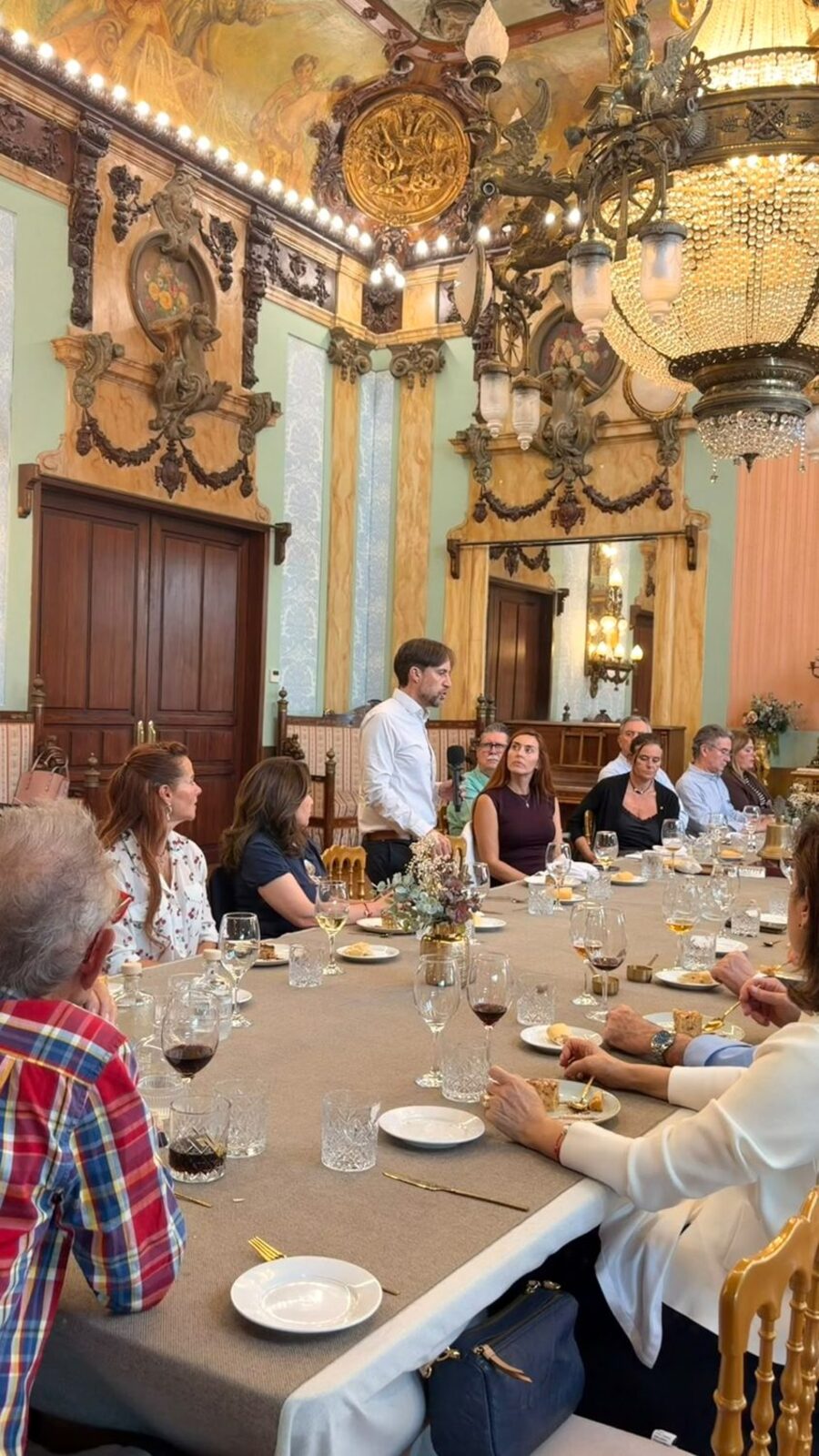
He described what happens today in his consulting room. That he tells someone they have pancreatic cancer, with all the empathy he can muster, and then he leaves, and that patient is left alone with their family. Twenty-six years in the profession and he still finds it hard, he said. That loneliness of the patient is what has been on his mind for years.
With PREPAR, that same conversation ends differently: you have a complex cancer, the surgery is complex, and we are going to give you training, psychological support and nutritional support so that you get there as strong as possible.
«If we can just get the patient to go into that battle with morale, because morale is the battle.»
And he added something that hung over the table: you do not offer any of this to someone you have given up on. Offering it is already telling them you believe they are going to make it.
The questions
There was a good long round of questions, and they were good ones. How much time passes between diagnosis and surgery, and whether that margin is enough to train anybody. Whether something similar could be done preventively with people who have a genetic predisposition, to which he answered that there is no evidence it prevents anything and that resources are what they are. Whether this is being done elsewhere: in Madrid, and there is a European prehabilitation project in cancer, although he is not aware of anyone combining all three legs at once.
And the new drug came up. In mid-October, the European Medicines Agency gave the green light to an oral treatment that doubles survival in patients with metastatic pancreatic cancer. The slow part remains, which is each country funding it, and the starting price is today beyond anyone's reach. But it is the first time in decades that the underlying mechanism of the tumour has been successfully targeted. «These are incredible times for oncology», he said.
A project for Alicante
This year the club wants its projects to be for the people of Alicante, and that is why it is behind this one. It is not about funding research, which is slow and hard to see, but about giving the pancreatic cancer patients treated here more of a chance. They are our neighbours.
Enrique invited us to come and watch the patients train, and proposed something more: that once a year we get together with the people who have been through the programme. He said it and paused for a second. «I am going to get emotional», he warned. Nobody at the table doubted it.
The close
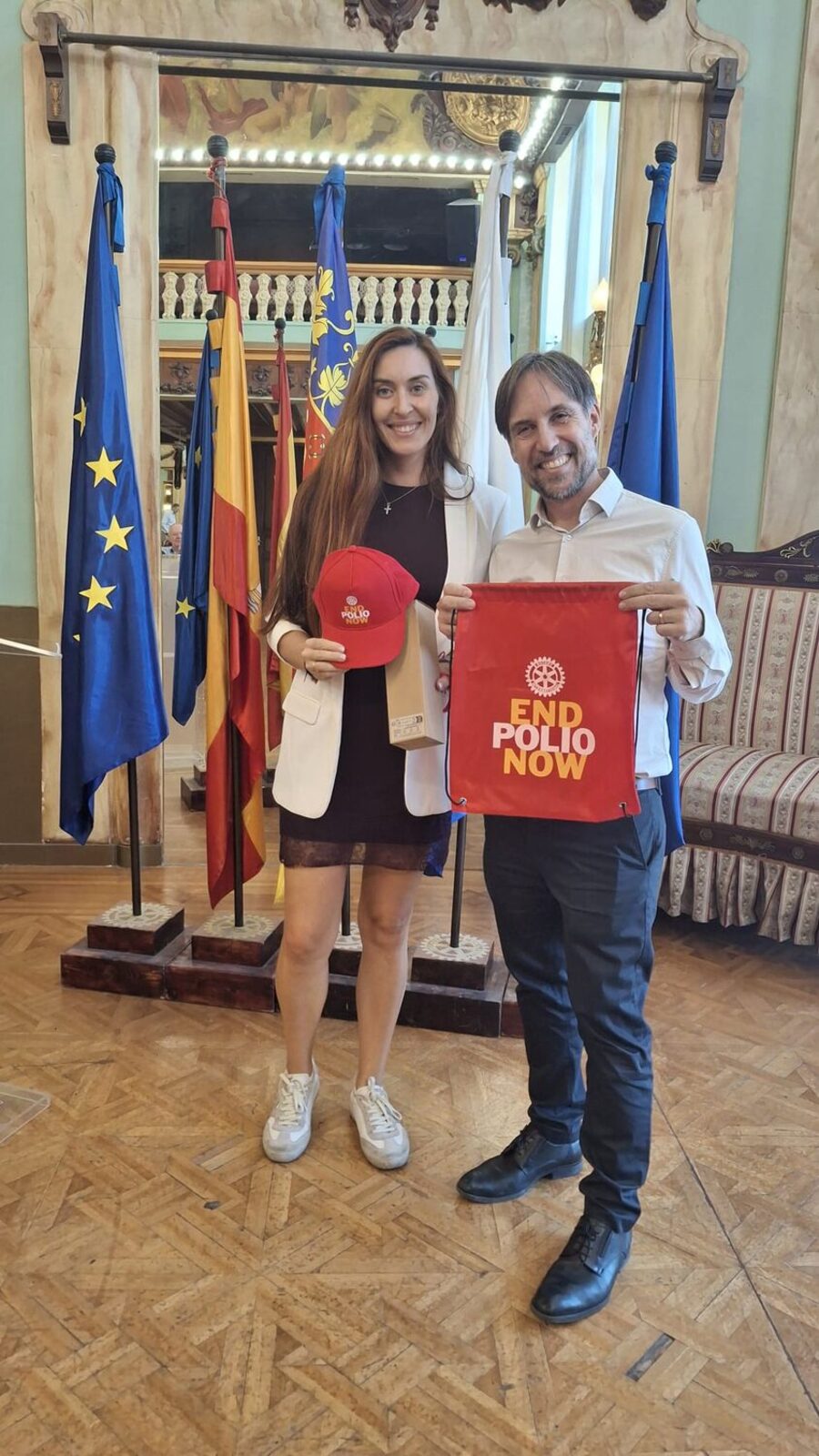
This time, instead of the usual pennant, the club gave him an End Polio Now kit, the campaign Rotary has been pursuing for four decades to eradicate polio.
Before the meeting closed, Conchi Martínez, the assistant governor of the district, spoke. She said the club is doing interesting things, that this project is exactly what Rotary is about, and announced the Christmas lunch for all the clubs in the area: it will be held right here, at Teselas, on 19 December, and it is open to partners and family, because friendship is one of the most important things we have. And she told us the governor will be visiting us soon.
Of everything that was said that afternoon, the line that best sums up Enrique's project came of its own accord. We were talking about what it means for a patient to see that someone is investing in getting them ready before they go in, and it was said out loud:
Tags
- Enrique de Madaria
- ISABIAL
- Hospital Doctor Balmis
- pancreatic cancer
- prehabilitation
- PREPAR
- Conchi Martínez
About the author
Juan Carlos Brotons
Sergeant at Arms, Rotary Club Alicante Lucentum Puerto, 2026–27 term