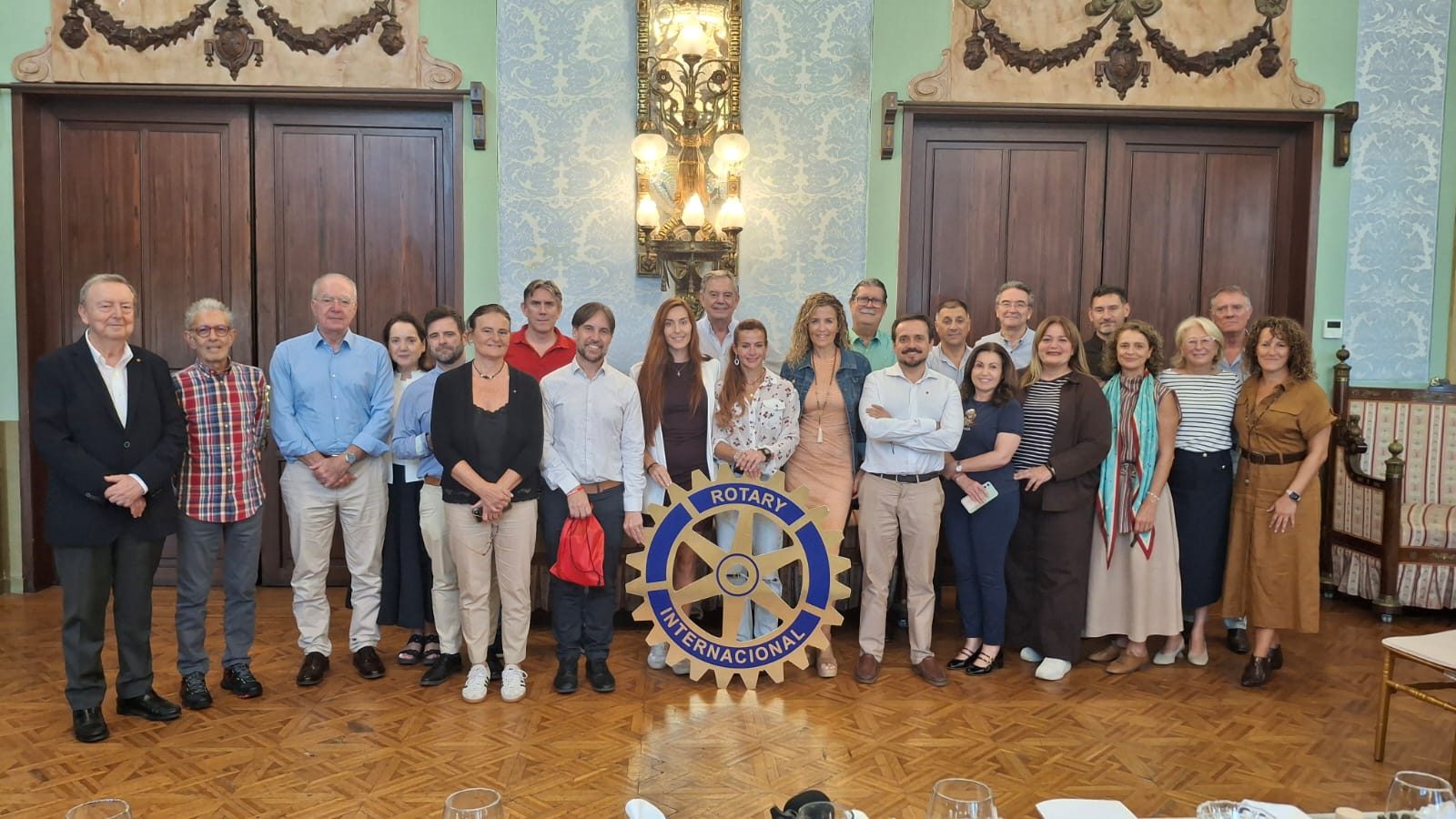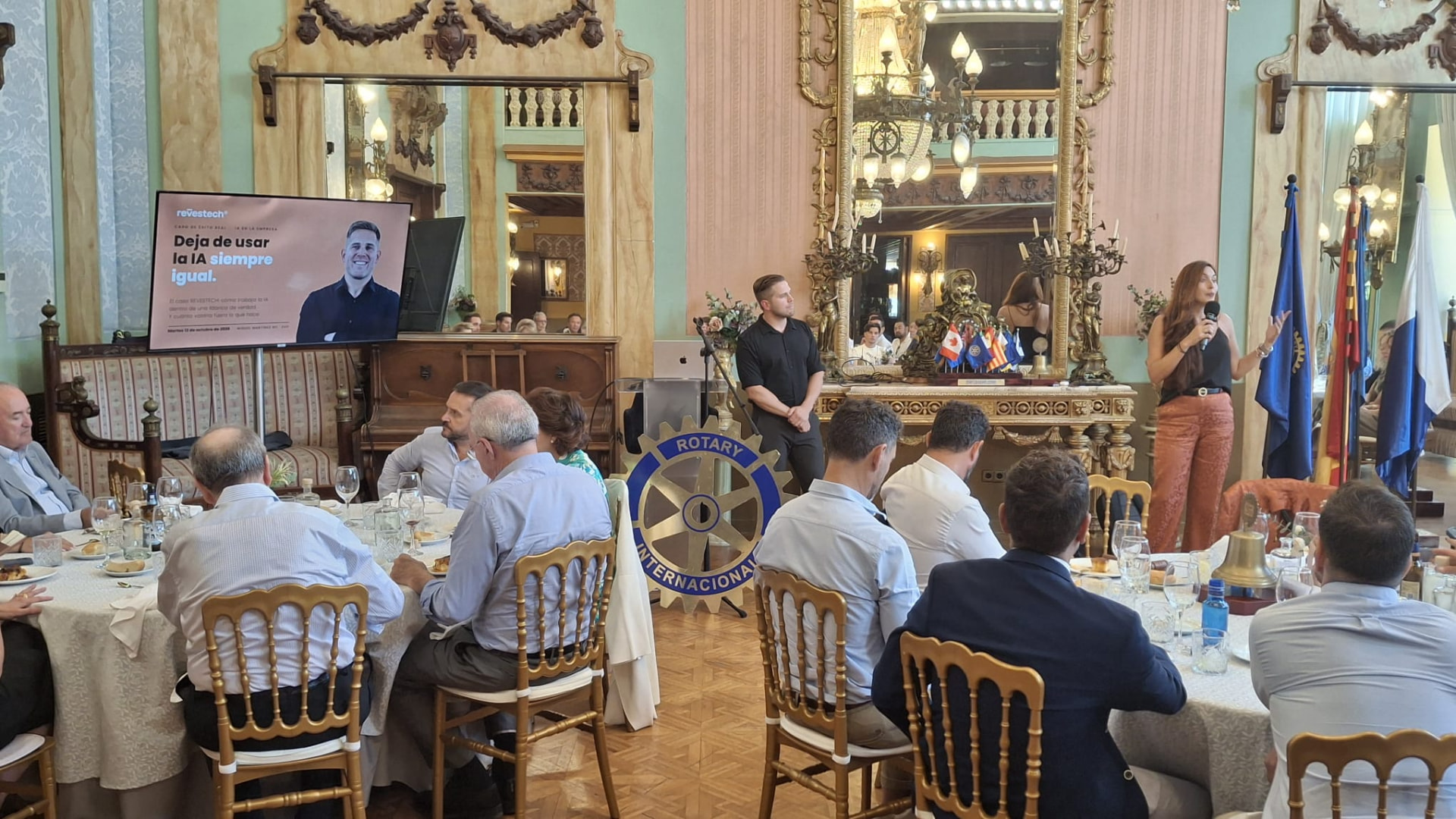
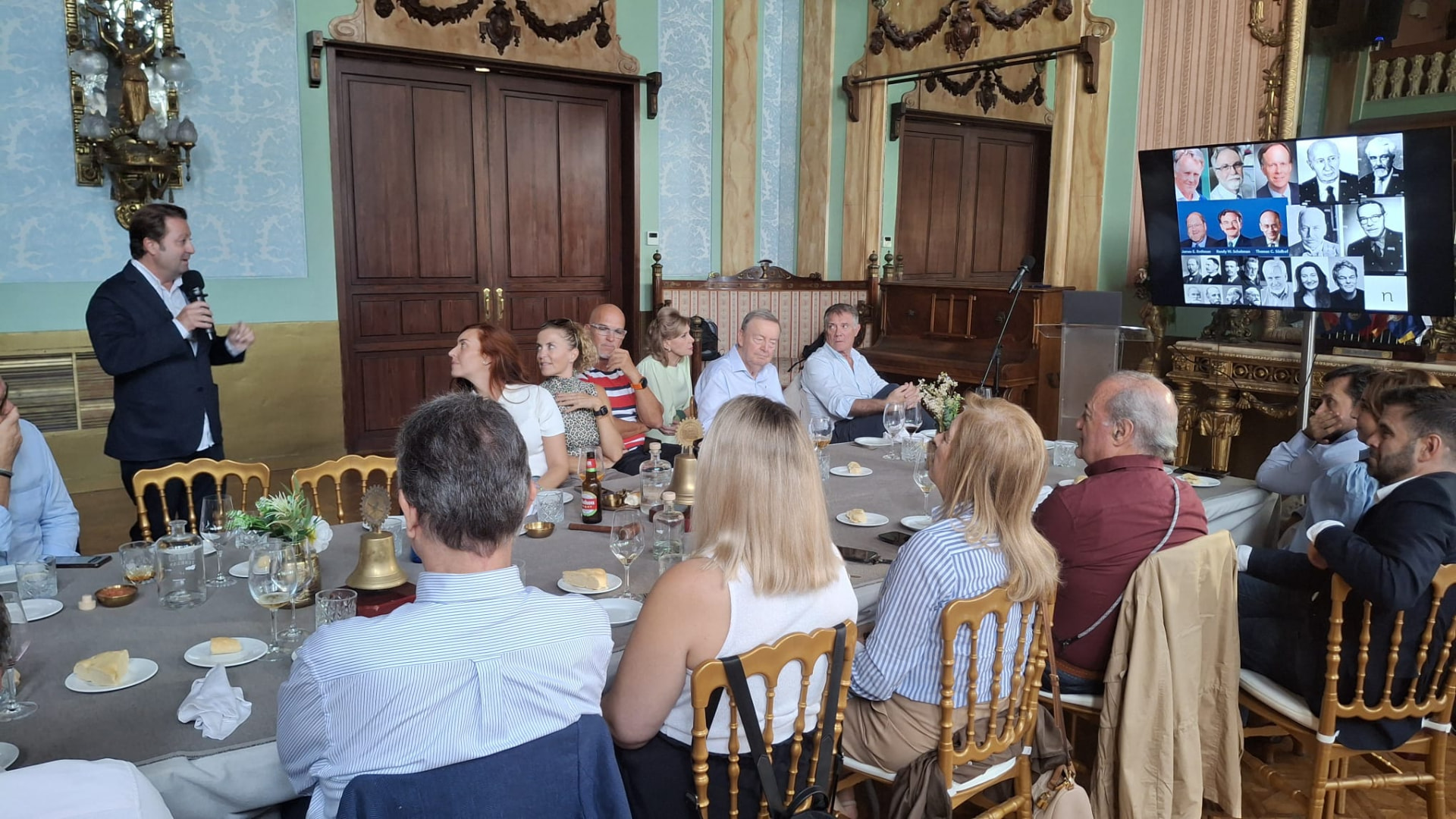
There were twenty-six of us at the table, which for a Tuesday in November is very good going. We had to squeeze up a little, because more people signed up at the last minute than we had expected. The kind of problem you like to have.
Among the guests were two who came on their own initiative: they found us through the club's website, liked what they saw and got in touch. They introduced themselves to the table with a couple of words each, and stayed for lunch as if they had been coming for years. There is something satisfying about seeing the club work outwards too.
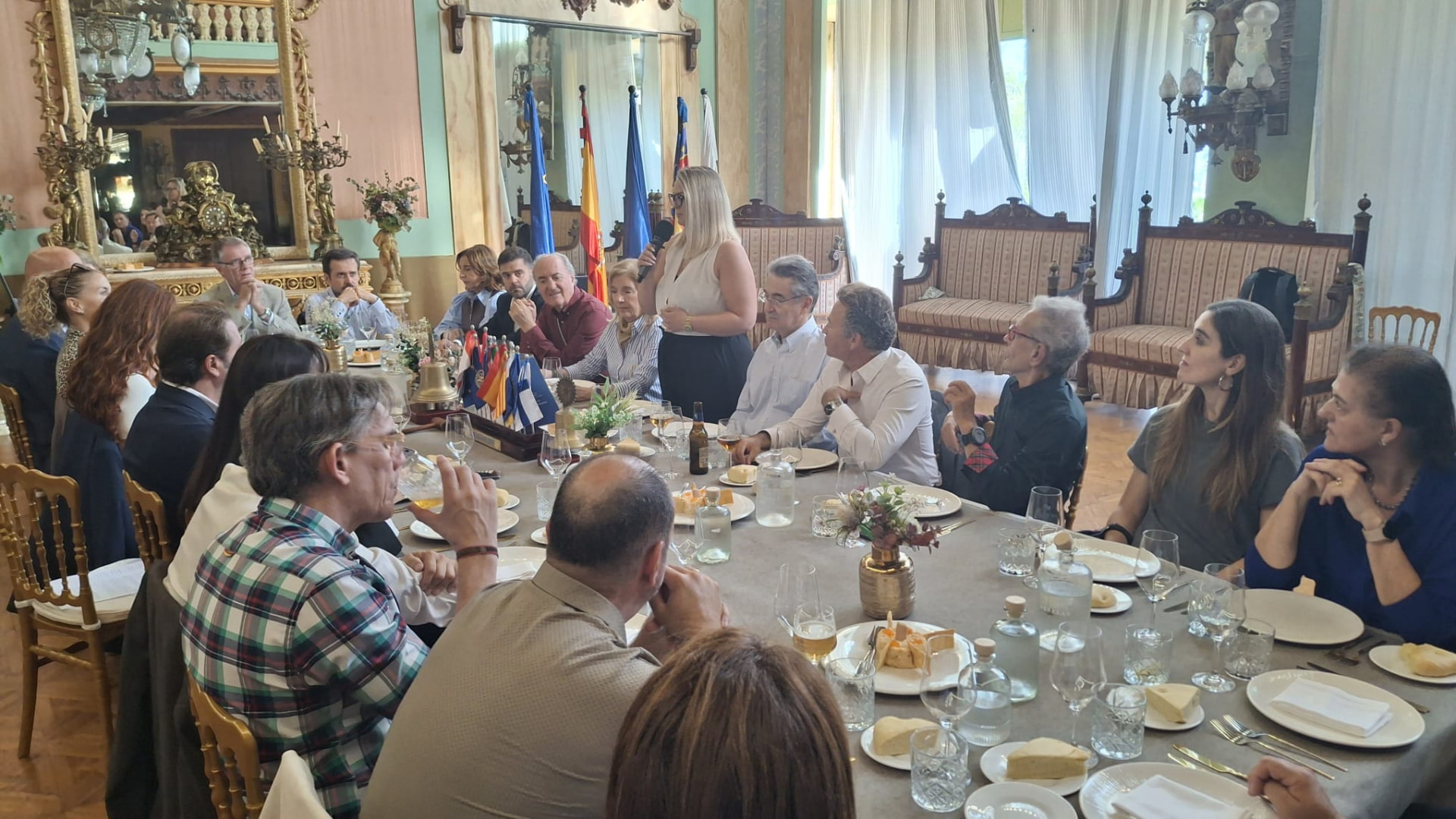
Before lunch, our president brought us up to date on what lies ahead: the Christmas concert, which this year comes with changes in how to get tickets, and how the projects we have in hand are going, with the collaboration with the autism centre still to be decided. There is work ahead and good spirits to do it.
A dozen faces
After coffee, our president handed over to our fellow member Julio Turmo, who brought the speaker to us and introduced him. Javier Torregrosa has been working in non-verbal communication for thirty-eight years and directs the Master's in Scientific Non-Verbal Communication, Human Behaviour and Lie Detection, taught with Fundeun at the University of Alicante and now in its twentieth cohort. He had come to tell us what a face says.
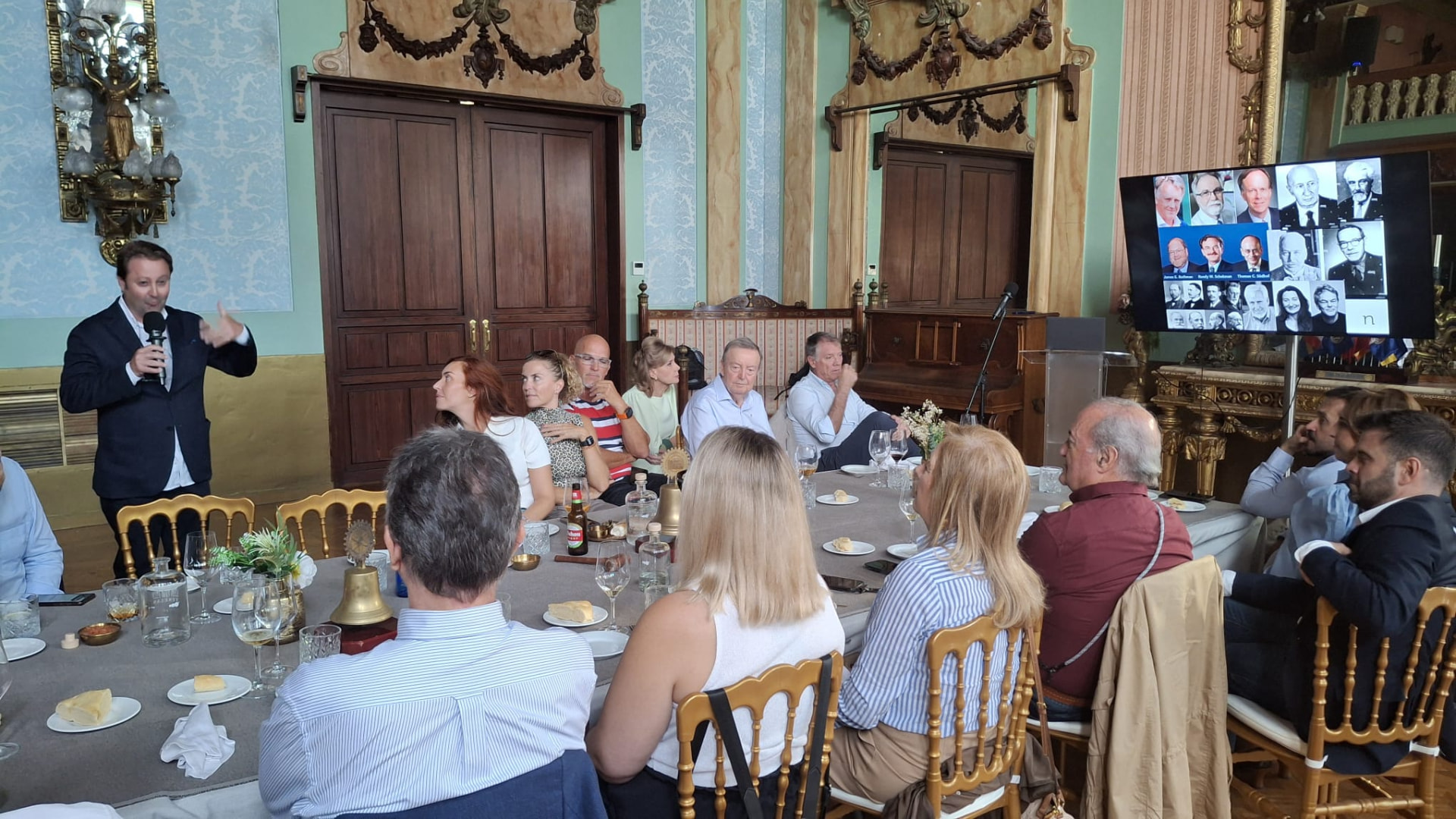
He put a dozen portraits on the screen and asked what they had in common. The room had a go: they are men, they are older, they are not speaking, they all have eyes and a mouth. Until someone hit on it: the broad forehead. They were Nobel laureates in Medicine.
From there he explained his idea with an image you grasp straight away. Before crossing a street, you look. It is the same before negotiating, selling or trying to understand a son or daughter: it helps to know something about the person in front of you. And part of that information, he argues, we carry on our faces.
And then we voted
Then he put us to the test. Three women's faces on the screen. One decides with data, another decides with her heart. Which is which?
We voted by show of hands and the room got it wrong almost to a person. We said the one who was smiling was the emotional one.
It was Margarita Salas.
What followed was a good half hour in which nobody got up. Not a phone on the table, not a single side conversation, which at a lunch for twenty-six is close to a miracle. He had everyone hooked.
Four volunteers and a gavel
He had promised a practical part and he delivered. He asked for volunteers and four members stepped up, our president among them, to stand in front of everyone. His only instrument was an improvised ruler held up to the face to take a measurement. At the university he uses a folder; here, lacking one, he reached for the first thing he found on the top table, which turned out to be our bell's gavel. Together, the whole room worked out which area of each face was most pronounced. He did it just as he had said he would: with great care and great respect, and with the room laughing heartily.
He set the limit himself, without anyone asking, and it is worth recording: the fact that a group of people share certain features does not entitle anyone to look at a face and decide what that person is. Doing so, he said, would be absurd.
The close
At the end there were fewer questions than comments. The “that was really good” kind, repeated by half the table, and the very clear feeling that it had all ended too soon. I told him there and then, in front of everyone: come back. And he said he would be delighted. We will find a date after Christmas, because we were left wanting more on microexpressions and lie detection.
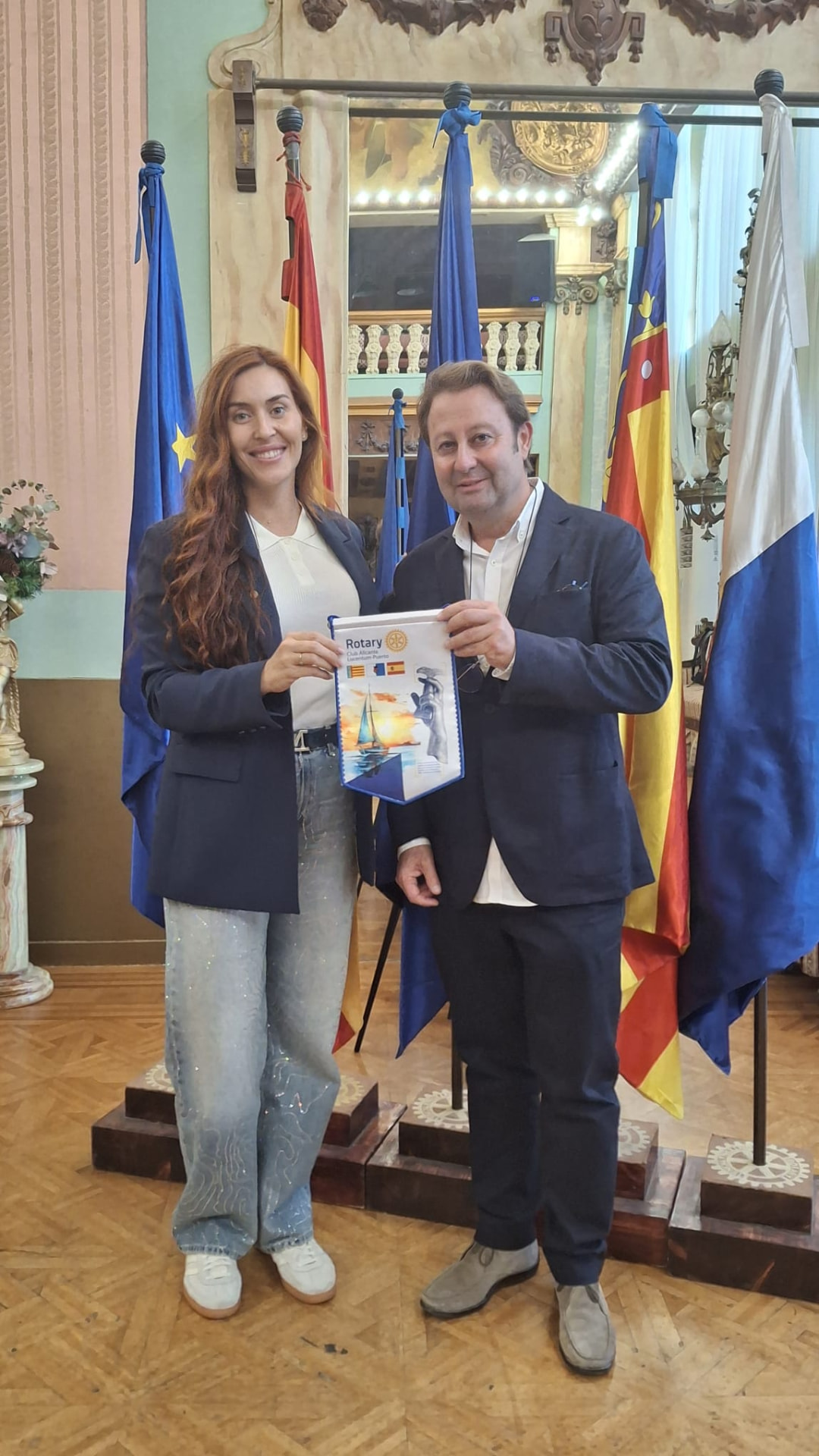
Before he left, our president presented him with the club pennant. It is a small gesture and very much ours: a way of saying thank you and of letting him take a piece of this house with him.
Tags
- Javier Torregrosa
- non-verbal communication
- morphopsychology
- Fundeun
- University of Alicante
- Julio Turmo
About the author
Juan Carlos Brotons
Sergeant at Arms, Rotary Club Alicante Lucentum Puerto, 2026–27 term